Customer relationship management (CRM) is a process in which a business or other organization administers its interactions with customers, typically using data analysis to study large amounts of information.
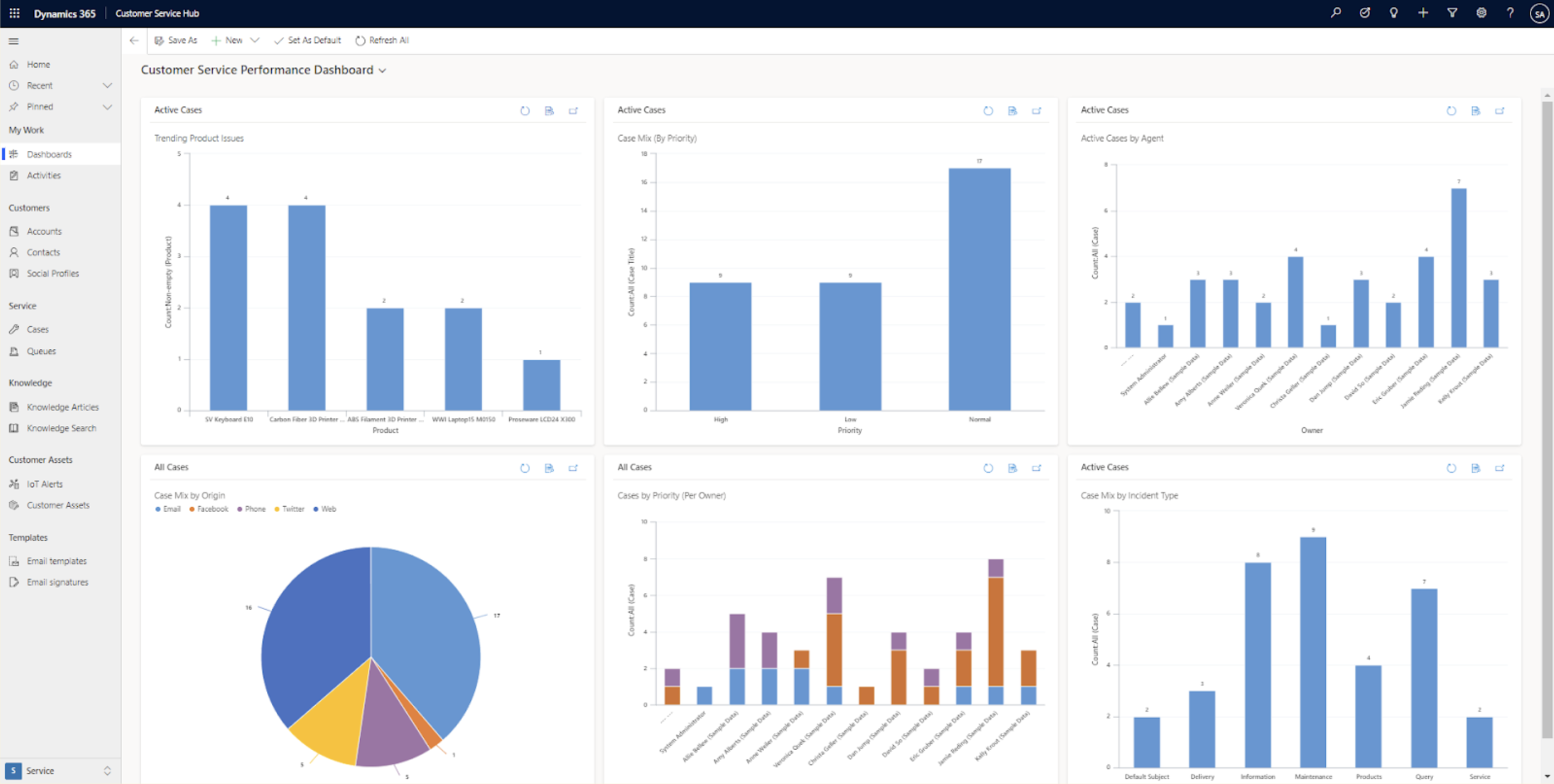
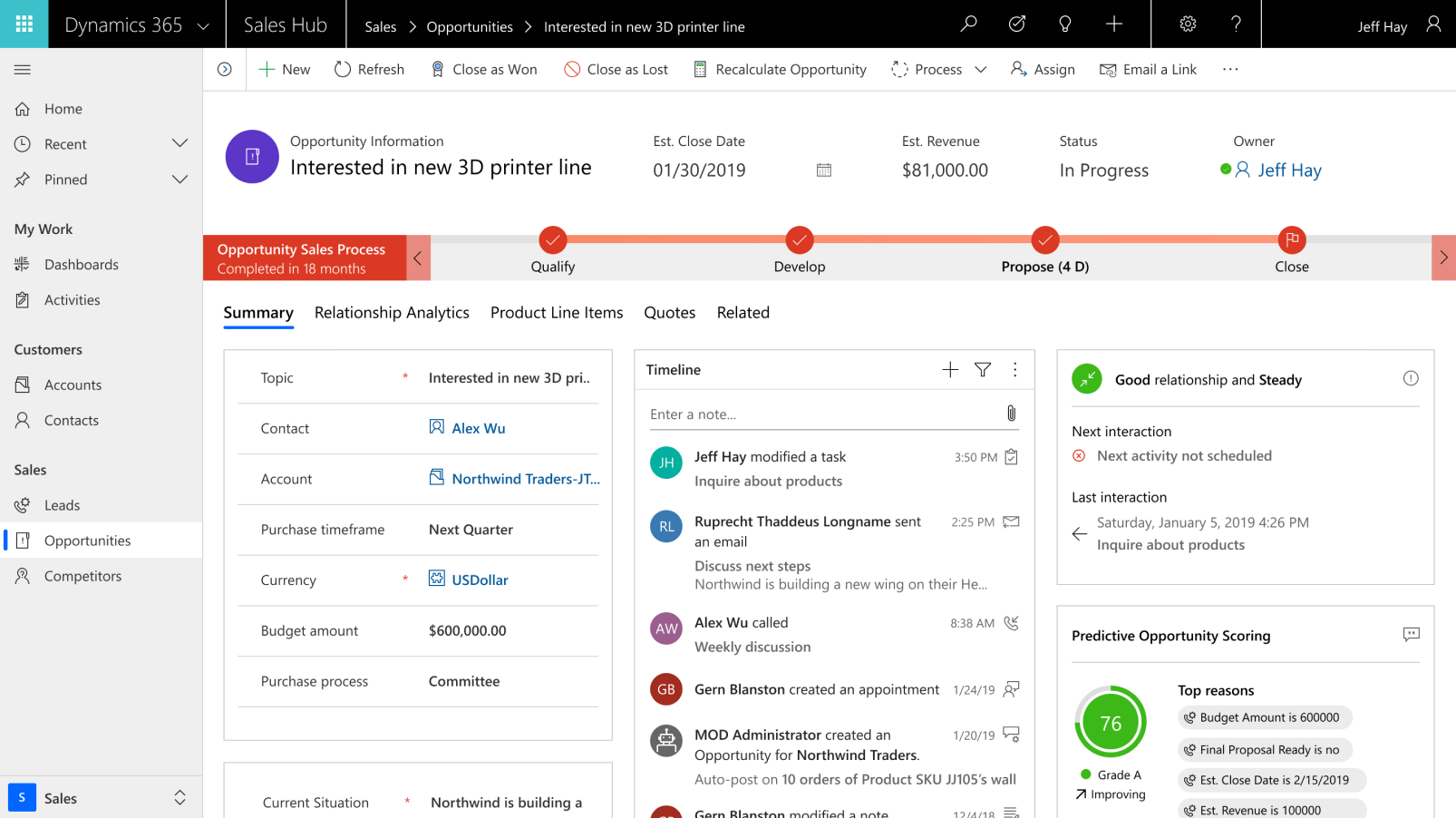
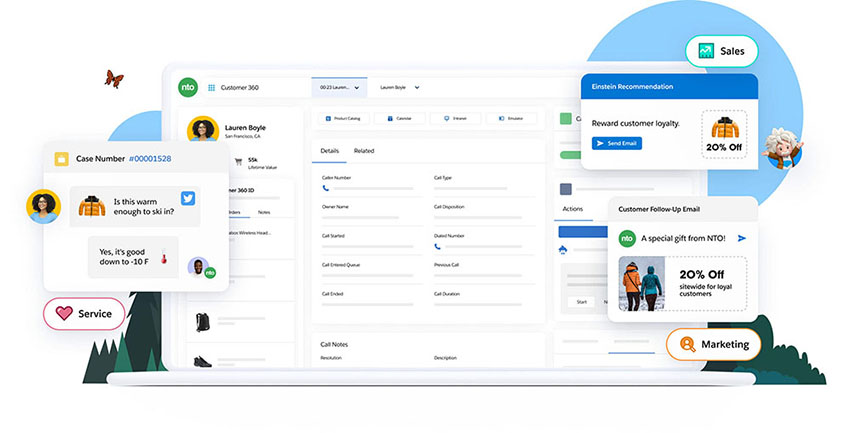
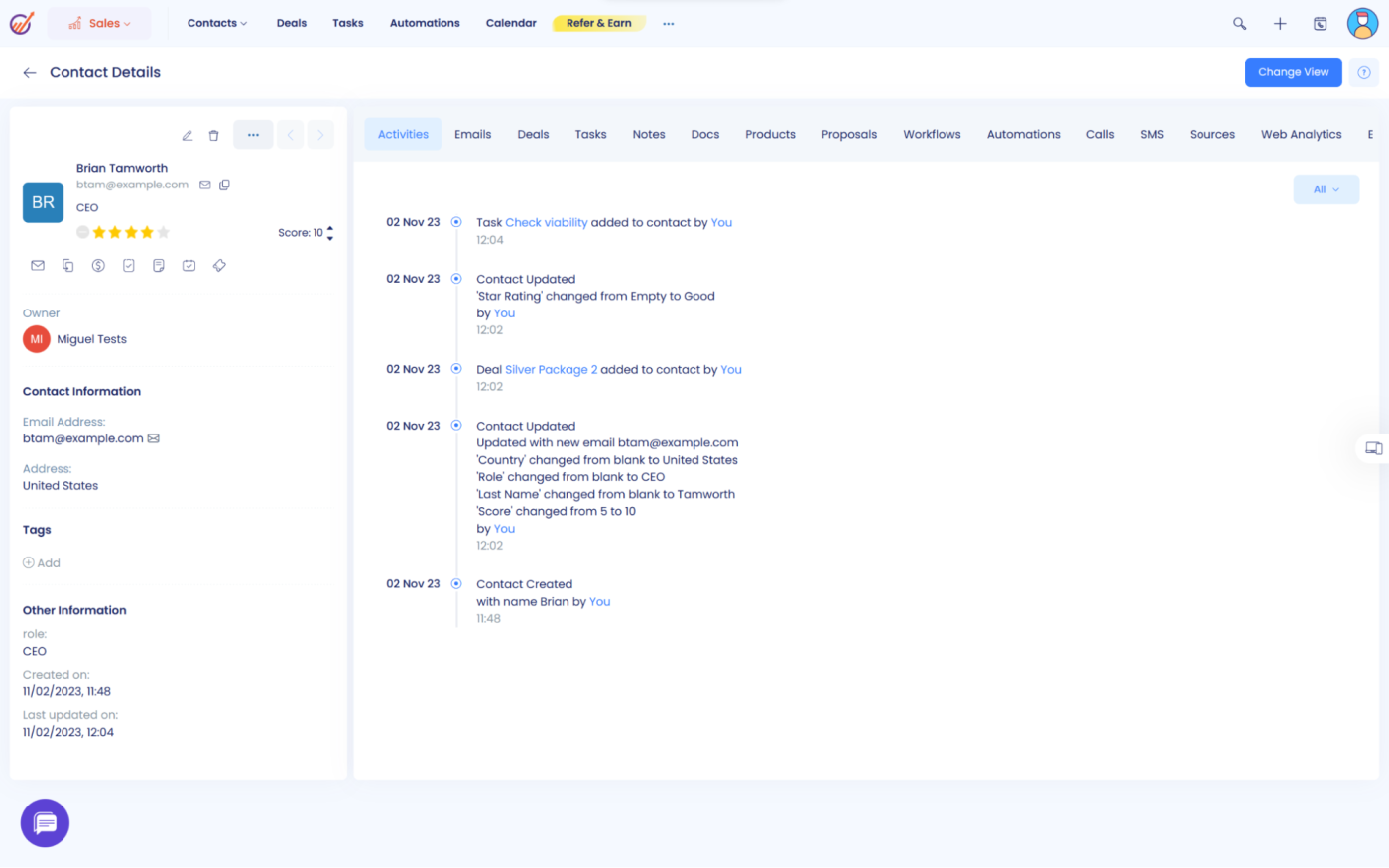
The CRM systems typically have a dashboard that gives an overall view of the three functions on a single customer view, a single page for each customer that a company may have. The dashboard may provide client information, past sales, previous marketing efforts, and more, summarizing all of the relationships between the customer and the firm. Operational CRM is made up of 3 main components: sales force automation, marketing automation, and service automation.
- Sales force automation works with all stages in the sales cycle, from initially entering contact information to converting a prospective client into an actual client. It implements sales promotion analysis, automates the tracking of a client’s account history for repeated sales or future sales and coordinates sales, marketing, call centers, and retail outlets. It prevents duplicate efforts between a salesperson and a customer and also automatically tracks all contacts and follow-ups between both parties.
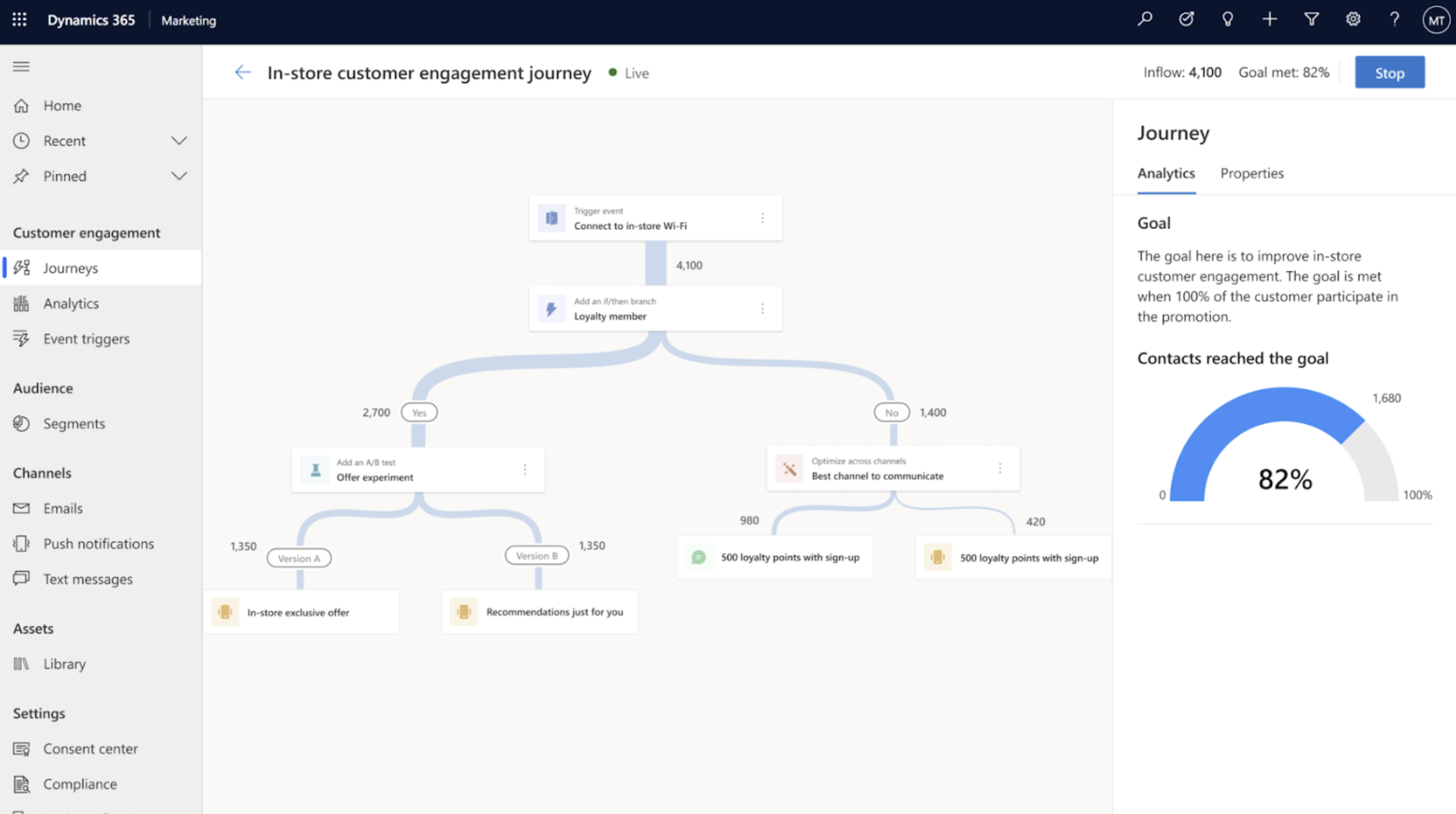
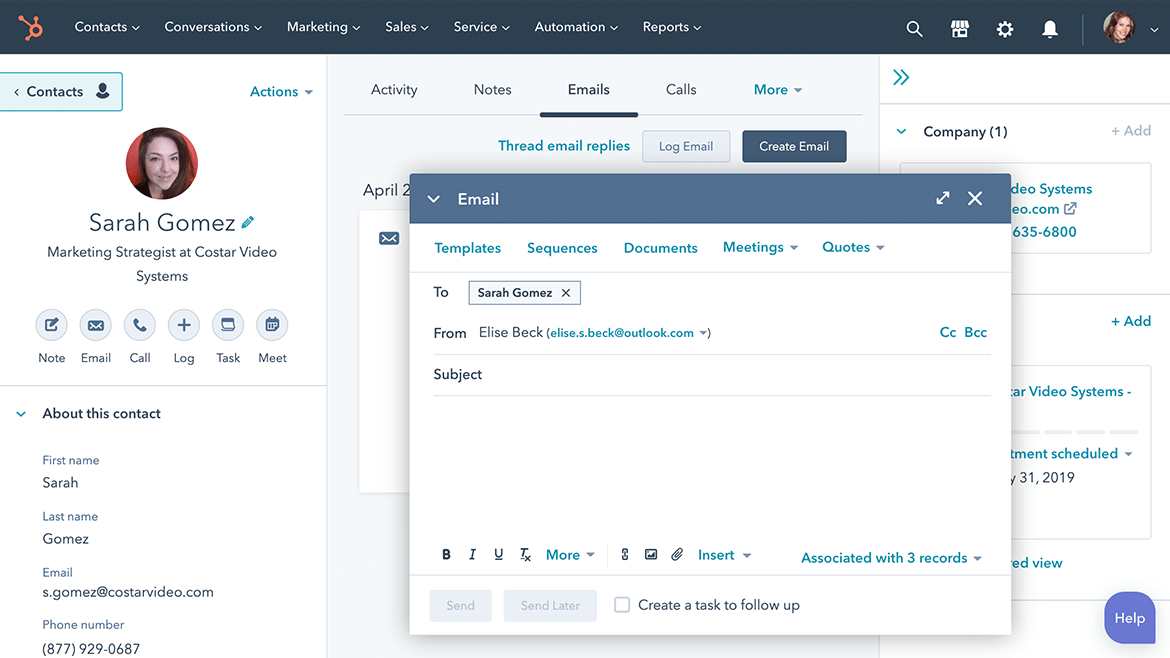
- Marketing automation focuses on easing the overall marketing process to make it more effective and efficient. CRM tools with marketing automation capabilities can automate repeated tasks, for example, sending out automated marketing emails at certain times to customers, or posting marketing information on social media. The goal with marketing automation is to turn a sales lead into a full customer. CRM systems today also work on customer engagement through social media.
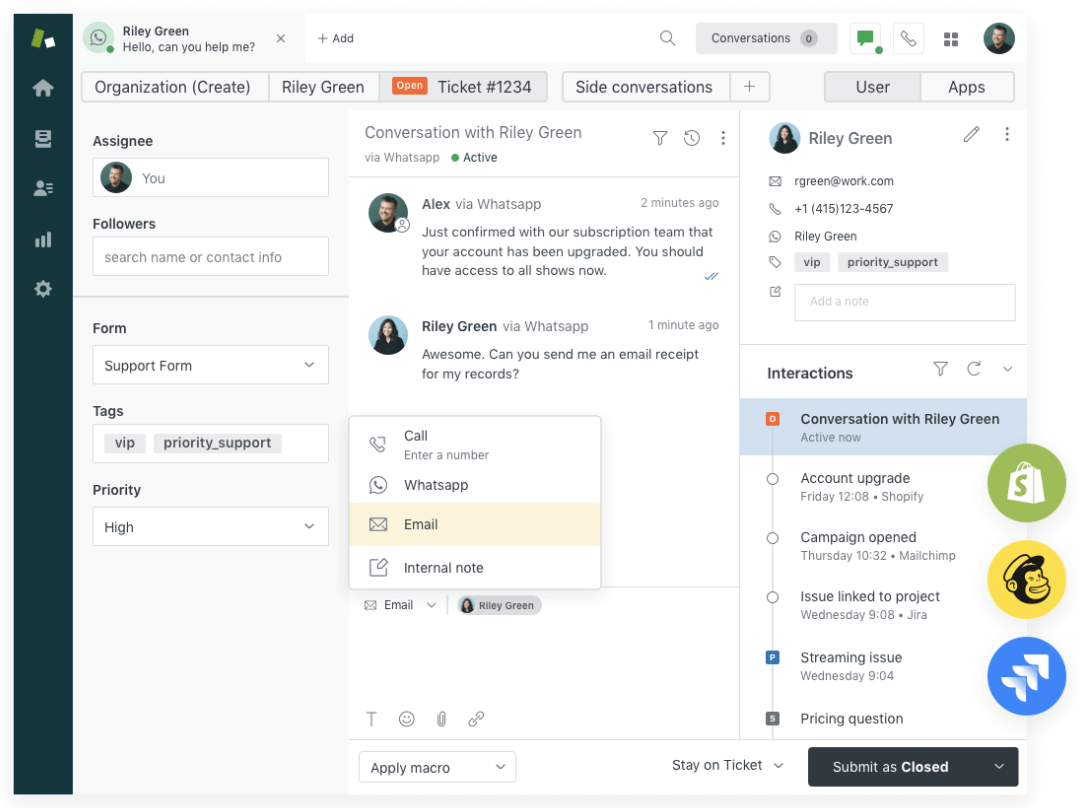
- Service automation is the part of the CRM system that focuses on direct customer service technology. Through service automation, customers are supported through multiple channels such as phone, email, knowledge bases, ticketing portals, FAQs, and more.
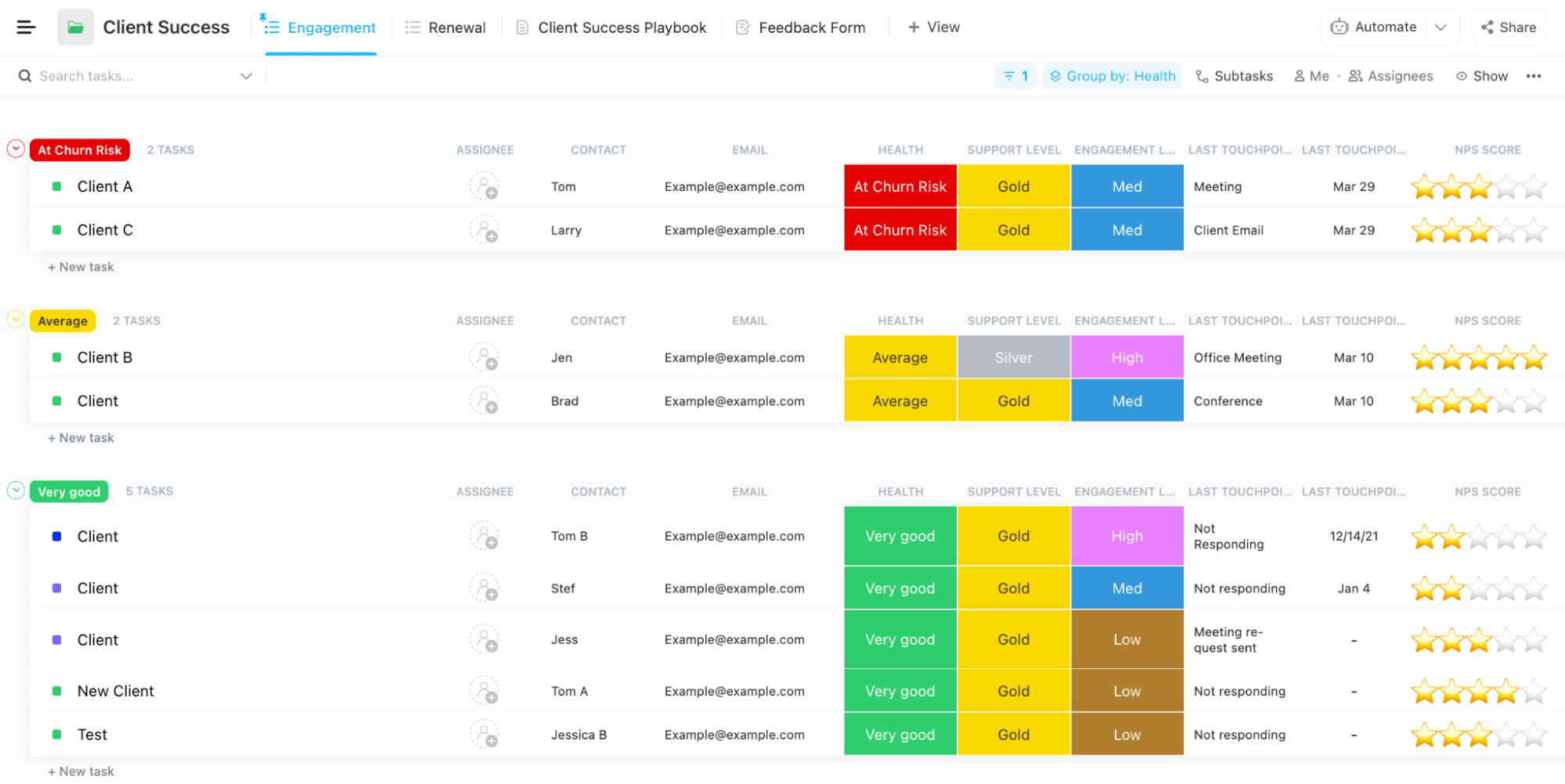
The role of analytical CRM systems is to analyze customer data collected through multiple sources and present it so that business managers can make more informed decisions. These analytics help improve customer service by finding small problems which can be solved, perhaps by marketing to different parts of a consumer audience differently. For example, through the analysis of a customer base’s buying behavior, a company might see that this customer base has not been buying a lot of products recently. After scanning through this data, the company might think to market to this subset of consumers differently, to best communicate how this company’s products might benefit this group specifically.
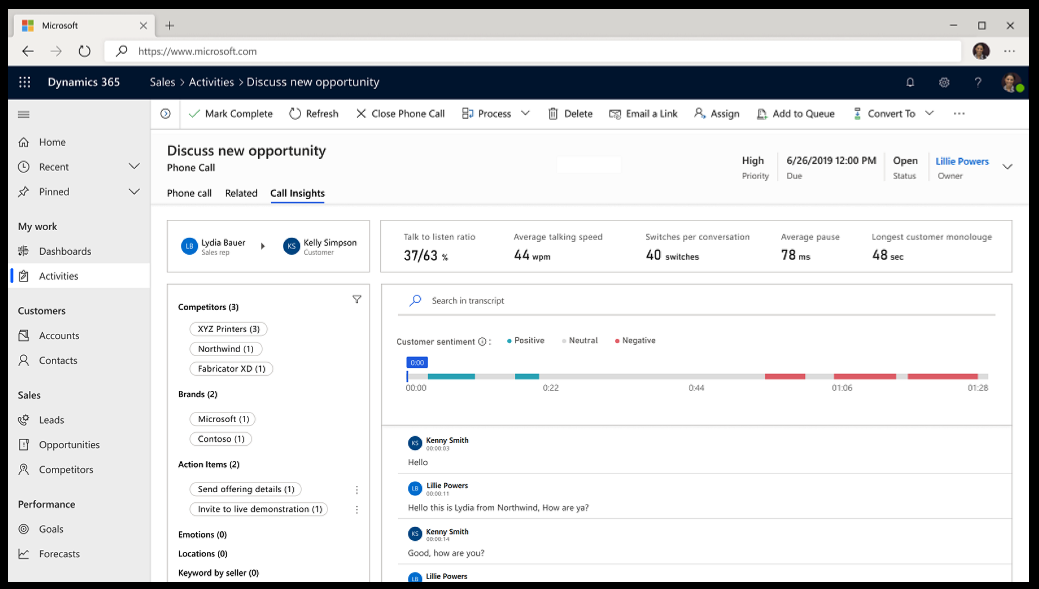
User interfaces examples